

Contents
The Art of Homemade Chocolates in Chennai
The Best homemade Chocolates In Chennai confectionery landscape has undergone a remarkable transformation over the past decade, with homemade chocolates emerging as the preferred choice for discerning gift-givers and chocolate connoisseurs. The city’s burgeoning artisanal chocolate movement represents a perfect marriage of traditional craftsmanship and contemporary flavor innovation, creating a niche market that caters to those seeking premium, personalized gifting options.
The appeal of homemade chocolates lies in their authenticity and attention to detail. Unlike mass-produced alternatives, artisanal chocolates crafted in Chennai are made in small batches, ensuring consistent quality and allowing chocolatiers to experiment with unique flavor combinations that reflect both global trends and local preferences. These handcrafted confections have become synonymous with thoughtful gifting, representing not just a sweet treat but an expression of care and sophistication.
Chennai’s climate, typically warm and humid, presents unique challenges for chocolate-making. The city’s artisanal chocolatiers have mastered the delicate balance of temperature control and ingredient selection to create products that maintain their texture and flavor even in tropical conditions. This expertise has positioned Chennai as a rising hub for premium chocolate production in South India, attracting attention from chocolate enthusiasts across the country.
The homemade chocolate industry in Chennai has grown exponentially, driven by increasing consumer awareness about quality ingredients, sustainable sourcing, and the desire for personalized experiences. Today’s chocolate buyers are well-informed, seeking transparency about cocoa origins, production methods, and ingredient lists. This shift in consumer behavior has encouraged local chocolatiers to adopt ethical practices, source premium ingredients, and maintain rigorous quality standards.
What distinguishes homemade chocolates from their commercial counterparts is the personal touch evident in every aspect of production. From hand-tempering chocolate to individually wrapping each piece, artisanal chocolatiers invest time and skill into creating edible art. Many Chennai-based chocolate makers work from home kitchens or small studios, maintaining direct relationships with their customers and offering customization options that large-scale manufacturers simply cannot provide.
The ingredient quality in homemade chocolates typically surpasses that of mass-produced varieties. Premium chocolatiers in Chennai source single-origin cocoa from renowned growing regions, use real vanilla instead of synthetic vanillin, and incorporate fresh ingredients like cream, butter, and nuts. This commitment to quality ingredients translates into superior taste profiles with complex flavor notes that evolve on the palate, offering a sophisticated tasting experience that chocolate lovers genuinely appreciate.
Flavor innovation has become a hallmark of Chennai’s homemade chocolate scene. While classic flavors like dark chocolate ganache and milk chocolate pralines remain popular, local chocolatiers have successfully integrated regional flavors into their creations. Ingredients such as filter coffee, cardamom, saffron, rose, tender coconut, and even traditional Indian sweets like gulab jamun and kulfi have found their way into artisanal chocolate collections, creating fusion flavors that resonate with local tastes while maintaining international appeal.
The presentation and packaging of homemade chocolates have evolved into an art form itself. Chennai’s chocolatiers understand that premium gifting demands aesthetic excellence, leading to investments in beautiful packaging designs, elegant boxes, and thoughtful presentation elements. Many offer bespoke packaging options for corporate gifts and special occasions, incorporating personalized messages, custom colors, and branded elements that enhance the overall gifting experience.
Health-conscious consumers have driven demand for specialized chocolate options, and Chennai’s homemade chocolate makers have responded with sugar-free, vegan, organic, and gluten-free varieties. These specialized products maintain the indulgent quality of traditional chocolates while accommodating dietary restrictions and preferences, expanding the market and making premium chocolates accessible to a broader audience.
The social media revolution has played a crucial role in popularizing homemade chocolates in Chennai. Instagram and Facebook have become powerful platforms for chocolatiers to showcase their creations, share behind-the-scenes glimpses of their process, and build direct relationships with customers. This digital presence has democratized the premium chocolate market, allowing small-scale producers to compete effectively with established brands and reach customers across the city and beyond.
Corporate gifting has emerged as a significant market segment for homemade chocolates in Chennai. Companies increasingly prefer personalized, artisanal chocolate gifts over generic corporate presents, recognizing that thoughtful gifting strengthens business relationships and creates lasting impressions. Many chocolatiers now offer corporate packages with custom branding, bulk order discounts, and delivery services tailored to business needs.
The pricing of homemade chocolates reflects the premium ingredients, skilled labor, and personalized service involved in their creation. While these artisanal products command higher prices than commercial chocolates, customers recognize the value proposition: superior taste, customization options, fresher products, and the satisfaction of supporting local artisans. This willingness to pay premium prices has enabled Chennai’s chocolate-making community to thrive and continuously innovate.
Seasonal offerings and festive collections have become anticipated events in Chennai’s chocolate calendar. Chocolatiers create special editions for Diwali, Christmas, Valentine’s Day, and other occasions, incorporating themed flavors, designs, and packaging that capture the spirit of each celebration. These limited-edition collections generate excitement and urgency, driving sales and creating opportunities for chocolatiers to showcase their creativity.
The sustainability movement has influenced Chennai’s homemade chocolate industry, with many producers adopting eco-friendly practices. This includes using recyclable or biodegradable packaging, sourcing fair-trade cocoa, reducing waste in production processes, and supporting local suppliers. These ethical considerations appeal to environmentally conscious consumers and align with global trends in responsible consumption.
Customer service and personalization set homemade chocolate businesses apart from commercial alternatives. Many Chennai chocolatiers offer tasting sessions, chocolate-making workshops, and consultation services for special events. This direct interaction creates memorable experiences and builds loyal customer bases who return not just for the product but for the relationship and service they receive.
Understanding the luxury chocolate gifts in Chennai Market
The premium chocolate market in Chennai has matured significantly, characterized by sophisticated consumer preferences and heightened expectations for quality and authenticity. This evolution reflects broader trends in luxury food consumption, where buyers increasingly value craftsmanship, story, and experience alongside the product itself. Understanding this market requires examining the factors that drive purchasing decisions and the dynamics that shape consumer behavior in this specialized segment.
Consumer demographics in Chennai’s premium chocolate market reveal an interesting profile. The primary buyers include young professionals with disposable income, expatriates familiar with international chocolate standards, health-conscious individuals seeking quality over quantity, and experienced gift-givers who understand the impact of thoughtful presents. These consumers are typically well-traveled, digitally connected, and willing to invest in products that align with their values and aesthetic preferences.
The gifting culture in Chennai has historically emphasized sweets and confections, making chocolates a natural evolution of traditional practices. However, the shift toward homemade chocolates represents a refinement of this tradition, where quality and presentation become as important as the gesture itself. Premium chocolates have become the preferred choice for milestone celebrations, professional acknowledgments, romantic gestures, and expressions of gratitude, replacing conventional gift items in many contexts.
Price sensitivity in the premium chocolate segment operates differently than in mass-market categories. While price remains a consideration, it functions more as a quality signal than a barrier. Consumers shopping for premium homemade chocolates expect to pay more and often associate higher prices with superior ingredients and craftsmanship. The willingness to pay premium prices increases significantly for special occasions and corporate gifting, where the perceived value of the gift reflects on the giver.
Quality assessment in homemade chocolates involves multiple dimensions that educated consumers have learned to evaluate. The visual appeal includes glossy finish, clean edges, and attractive decoration. Texture ranges from smooth ganaches to crunchy inclusions, with proper tempering evident in the snap and mouthfeel. Flavor complexity involves balanced sweetness, distinct cocoa notes, and well-integrated additional flavors. Freshness becomes apparent in the vibrancy of taste and the absence of off-flavors that develop in older products.
The role of terroir in chocolate appreciation has gained recognition among Chennai’s chocolate enthusiasts. Just as wine lovers appreciate regional variations in grapes, informed chocolate consumers now understand how cocoa origin affects flavor profiles. Single-origin chocolates from Madagascar, Ecuador, Ghana, and India itself offer distinct taste experiences, from fruity and acidic to earthy and robust. Chennai’s artisanal chocolatiers who source and label their chocolate by origin cater to this growing sophistication.
Chocolate education has become an unexpected aspect of the premium market. Many chocolatiers in Chennai actively educate their customers about chocolate appreciation through tasting notes, origin stories, and production insights. This educational approach transforms purchasing into an enriching experience, building deeper connections between makers and consumers while elevating the perceived value of the product.
The customization trend has reached new heights in Chennai’s homemade chocolate scene. Beyond selecting from existing flavors, customers now expect options to personalize packaging, choose specific flavor combinations, incorporate dietary requirements, match color schemes for events, and even collaborate on completely unique creations. This level of customization requires flexibility and creativity from chocolatiers but results in products that feel truly special and tailored.
Competition in the premium chocolate space has intensified as more entrepreneurs enter the market. This competition drives innovation and quality improvements but also creates challenges in differentiation. Successful chocolatiers distinguish themselves through signature flavors, consistent quality, exceptional service, unique packaging, strong brand identity, or specialization in specific niches like vegan chocolates or regional fusion flavors.
The influence of international chocolate trends reaches Chennai through traveled consumers, social media exposure, and the global nature of culinary innovation. Trends such as ruby chocolate, inclusion bars with elaborate toppings, bonbons with artistic designs, and experimental flavors like chili or sea salt have found enthusiastic audiences in Chennai. Local chocolatiers adapt these trends while adding Indian touches, creating products that feel both globally relevant and locally rooted.
Distribution channels for homemade chocolates in Chennai have evolved beyond direct sales. While many chocolatiers still rely on home delivery and customer pickup, partnerships with gourmet stores, presence at pop-up markets, collaboration with event planners, and listings on food delivery platforms have expanded reach. However, the perishable nature of premium chocolates and the importance of temperature control during transit remain challenges that require careful logistical planning.
The experiential aspect of purchasing premium chocolates has become increasingly important. Some chocolatiers have created boutique-style showrooms or tasting spaces where customers can experience products before purchasing. These physical spaces serve multiple purposes: showcasing quality, facilitating higher-value sales through sensory engagement, hosting events and workshops, and creating Instagram-worthy moments that generate organic marketing.
Brand storytelling has emerged as a powerful differentiator in Chennai’s crowded homemade chocolate market. Consumers connect with authentic narratives about the chocolatier’s journey, passion for craft, commitment to quality, or unique background. Whether it’s a home baker who turned passion into profession, a returned expatriate bringing international expertise, or a family business passing down generations of confectionery knowledge, these stories create emotional connections that transcend transactional relationships.
The relationship between premium pricing and perceived exclusivity creates interesting market dynamics. Limited production capacity, seasonal availability, and pre-order requirements can enhance desirability rather than discourage purchases. Scarcity marketing, when genuine rather than artificial, communicates that products are made with care and attention rather than mass-produced, reinforcing the premium positioning that justifies higher prices.
Quality consistency remains perhaps the greatest challenge for homemade chocolate businesses. Unlike industrial production with automated processes and quality control systems, artisanal production depends on human skill and variable conditions. The best chocolatiers in Chennai have developed rigorous personal standards, invested in proper equipment, and maintained detailed process documentation to ensure that each batch meets their quality benchmarks.
Customer feedback loops function differently in the premium homemade chocolate market compared to mass production. Direct relationships between makers and buyers enable immediate feedback, rapid problem resolution, and continuous improvement based on customer preferences. This responsiveness builds trust and loyalty, creating communities of enthusiastic supporters who advocate for their favorite chocolatiers through word-of-mouth recommendations.

The Craft and Science of Chocolate Making
Creating premium homemade chocolates requires mastering both artistic creativity and scientific precision. The process combines chemistry, physics, and culinary artistry in ways that casual observers rarely appreciate. Understanding this craft illuminates why artisanal chocolates command premium prices and why the skill involved deserves recognition and respect.
Tempering chocolate stands as the foundation of quality chocolate work. This process involves carefully controlling temperature to align cocoa butter crystals into stable formations that create the characteristic snap, glossy appearance, and smooth texture of well-made chocolate. In Chennai’s warm climate, tempering becomes especially challenging, requiring climate-controlled workspaces and precise technique. Improperly tempered chocolate blooms, developing white streaks and grainy texture that compromise both appearance and mouthfeel.
The selection and handling of ingredients directly impact final product quality. Premium cocoa contains higher percentages of cocoa solids and cocoa butter, delivering more intense chocolate flavor. Fresh dairy products contribute to ganaches and creams, while high-quality nuts, dried fruits, and flavorings ensure that inclusions enhance rather than detract from the chocolate experience. Storage conditions for ingredients matter significantly, as rancid nuts or oxidized chocolate ruins finished products regardless of skill in execution.
Ganache creation demonstrates the technical sophistication required in chocolate-making. This emulsion of chocolate and cream must achieve perfect balance, with ratios adjusted based on chocolate type, final use, and ambient conditions. Chennai’s heat requires firmer ganaches than might be standard in cooler climates, achieved through higher chocolate-to-cream ratios or the addition of stabilizers. The technique of creating smooth, stable ganaches that maintain texture over time separates skilled chocolatiers from hobbyists.
Flavor development in artisanal chocolates involves understanding how tastes interact and evolve. Sweet, bitter, sour, salty, and umami elements must balance harmoniously. Aromatic compounds release at different rates, creating initial, middle, and finish notes similar to wine tasting. Successful chocolatiers consider these dimensions when developing recipes, ensuring that flavors complement rather than compete and that the overall experience satisfies from first bite to lingering aftertaste.
The integration of Indian flavors into chocolate represents both opportunity and challenge. Traditional ingredients like cardamom, saffron, rose, and curry leaves possess strong, distinctive profiles that can easily overwhelm chocolate’s subtlety. Success requires restraint and balance, using these flavors as accents rather than dominant notes. When executed well, fusion chocolates create unique products that honor cultural heritage while meeting contemporary tastes.
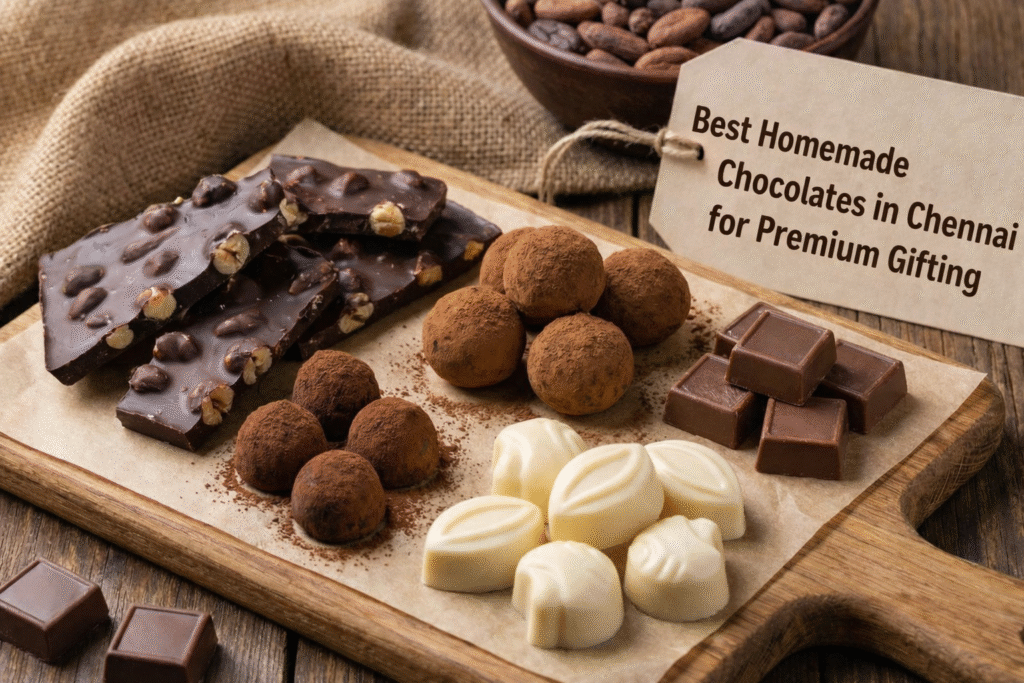
Molding and shaping techniques range from simple to extraordinarily complex. Basic molded chocolates require proper filling techniques and release methods. Hand-rolled truffles demand consistent sizing and coating skills. Bonbons with multiple layers and artistic decoration represent the pinnacle of chocolate craftsmanship, requiring advanced piping skills, airbrushing techniques, and artistic sensibility. The visual appeal of finished chocolates significantly influences perceived value and customer satisfaction.
Quality control in small-batch production relies on sensory evaluation and personal standards rather than laboratory testing. Experienced chocolatiers develop refined palates that detect subtle defects or variations. Visual inspection identifies tempering issues, texture inconsistencies, or decoration flaws. Taste testing ensures flavor balance and freshness. This quality assurance process, though less formal than industrial standards, can achieve excellent results when conducted diligently.
Equipment investment significantly impacts production capacity and quality consistency. Basic chocolate-making requires tempering equipment or careful temperature monitoring, molds or shaping tools, and cooling spaces. Serious artisanal operations invest in tempering machines, enrobing equipment, cooling tunnels, and humidity-controlled storage. In Chennai’s climate, air conditioning and dehumidification become essential rather than optional, adding to operational costs but ensuring product integrity.
Shelf life management presents unique challenges for homemade chocolates. Without preservatives used in commercial products, artisanal chocolates have shorter viable periods. Ganache-filled chocolates typically maintain peak quality for two to three weeks, while solid chocolates last longer. Communicating realistic shelf life to customers, using proper packaging that protects from heat and moisture, and educating buyers about storage become important aspects of customer service.
Scaling production while maintaining quality represents a critical growth challenge. Processes that work for small batches may not translate efficiently to larger volumes. Chocolatiers must balance increased demand against capacity constraints, quality standards, and the personal touch that defines artisanal products. Some successfully scale by hiring trained assistants, investing in better equipment, and systematizing processes. Others deliberately maintain small-scale operations, accepting limited growth to preserve quality and craftsmanship.
Innovation in chocolate-making comes from experimentation, customer feedback, and exposure to global trends. Successful chocolatiers maintain this innovative edge by attending workshops and training, following international chocolate competitions and trends, experimenting with new ingredients and techniques, and listening to customer preferences and requests. This continuous learning and adaptation keep offerings fresh and exciting in a competitive market.
The business aspects of running a homemade chocolate enterprise extend far beyond making quality products. Pricing strategies must cover ingredient costs, labor time, overhead expenses, and reasonable profit margins while remaining competitive. Marketing requires social media presence, professional photography, and customer engagement. Legal compliance includes food safety certifications, business licenses, and tax obligations. Time management balances production with customer service, marketing, and administration.
Sustainability considerations increasingly influence production decisions. Ethical sourcing of cocoa addresses fair labor practices and environmental impact. Packaging choices balance aesthetic requirements against environmental responsibility. Waste reduction through careful production planning and creative use of chocolate scraps demonstrates commitment to sustainable practices. These considerations resonate with conscious consumers and differentiate responsible businesses in crowded markets.
Summary
The landscape of homemade chocolates in Chennai represents a fascinating intersection of tradition, innovation, craftsmanship, and commerce. What began as a niche market catering to chocolate enthusiasts has evolved into a sophisticated industry that rivals established commercial brands in quality and creativity while maintaining the personal touch and artisanal integrity that define premium products.
Chennai’s emergence as a hub for artisanal chocolate production reflects broader societal shifts in consumption patterns and values. Today’s consumers increasingly prioritize quality over quantity, authenticity over mass production, and meaningful experiences over transactional purchases. Homemade chocolates perfectly embody these preferences, offering products that carry stories, showcase skill, and demonstrate care in ways that factory-produced alternatives cannot match.
The premium gifting market in Chennai has matured significantly, with sophisticated buyers who understand and appreciate the distinctions between commercial and artisanal chocolates. These informed consumers willingly pay premium prices for superior ingredients, skilled craftsmanship, customization options, and the assurance of freshness that characterizes small-batch production. Their support has enabled numerous chocolatiers to establish sustainable businesses while maintaining high standards and pursuing creative innovation.
The challenges facing Chennai’s homemade chocolate industry should not be underestimated. The tropical climate demands sophisticated temperature and humidity control. Competition intensifies as new entrants join the market. Scaling production while maintaining quality requires careful planning and investment. Raw material costs fluctuate, pressuring profit margins. These challenges test the resilience and adaptability of chocolatiers, separating sustainable businesses from temporary ventures.
Despite these challenges, the future appears promising for Chennai’s artisanal chocolate scene. Growing awareness of quality chocolate, increasing disposable incomes, expanding corporate gifting markets, and the desire for personalized experiences all favor continued growth. The integration of technology through online ordering, social media marketing, and digital payment systems has made artisanal products more accessible while preserving their handcrafted authenticity.
The craftsmanship involved in creating premium homemade chocolates deserves greater recognition and appreciation. Behind each beautiful box of chocolates lies hours of skill development, careful ingredient selection, precise temperature control, artistic design work, and quality assurance. Understanding this process helps consumers appreciate why artisanal chocolates cost more than mass-produced alternatives and why supporting local chocolatiers contributes to preserving valuable culinary traditions and skills.
Regional flavor integration represents one of Chennai’s unique contributions to the global artisanal chocolate movement. By successfully incorporating Indian ingredients and flavors into chocolate creations, local chocolatiers have developed distinctive products that honor cultural heritage while appealing to contemporary tastes. These fusion chocolates demonstrate that tradition and innovation need not conflict but can combine to create something entirely new and exciting.
The social impact of the homemade chocolate industry extends beyond economic transactions. These small businesses provide livelihoods for entrepreneurs and their families, create employment opportunities in local communities, support ingredient suppliers and packaging providers, and contribute to Chennai’s reputation as a culinary destination. The success of artisanal chocolatiers inspires others to pursue craft-based entrepreneurship, enriching the city’s economic and cultural landscape.
Education and transparency have become important differentiators in the premium chocolate market. Chocolatiers who educate customers about chocolate origins, production processes, and quality indicators build deeper relationships and foster appreciation that transcends simple consumption. This educational approach elevates chocolate from casual indulgence to culinary art worth understanding and savoring.
The relationship between maker and consumer in the artisanal chocolate world differs fundamentally from that in mass production. Direct communication, personalized service, and responsive customization create communities rather than mere customer bases. These relationships built on trust and shared appreciation for quality create resilient businesses that weather market fluctuations and competitive pressures.
Technology’s role in the artisanal chocolate business illustrates how traditional crafts can embrace modern tools without losing authenticity. Social media showcases products and builds brands. Digital payment systems facilitate transactions. Temperature-controlled equipment ensures consistent quality. Online ordering expands market reach. These technological integrations enhance rather than diminish the artisanal nature of the enterprise, demonstrating that tradition and innovation can coexist productively.
Looking forward, Chennai’s homemade chocolate industry will likely continue evolving in response to changing consumer preferences, environmental considerations, and market dynamics. Trends toward sustainable practices, health-conscious formulations, experiential retail, and ultra-premium positioning will shape the next phase of development. Chocolatiers who remain responsive to these trends while maintaining quality standards and authentic craftsmanship will thrive.
The gift-giving traditions that drive much of Chennai’s premium chocolate market show no signs of diminishing. If anything, the trend toward thoughtful, personalized gifting strengthens as people seek meaningful ways to express appreciation, celebrate occasions, and maintain relationships. Artisanal chocolates perfectly serve these purposes, offering beauty, taste, and the intangible value of craftsmanship that makes gifts memorable.
For consumers seeking the best homemade chocolates in Chennai for premium gifting, the journey involves more than simply purchasing products. It offers opportunities to discover local artisans, appreciate craft traditions, support small businesses, and participate in a growing movement that values quality, authenticity, and personal connection. Each purchase represents both an individual choice and a vote for the kind of food culture we want to cultivate.
The story of homemade chocolates in Chennai ultimately celebrates human creativity, persistence, and the desire to create beautiful, delicious things with care and skill. It honors tradition while embracing innovation, respects heritage while pursuing excellence, and proves that in a world of mass production, there remains space and appreciation for the personal, the handcrafted, and the extraordinary. As this industry continues to flourish, it enriches not only those who taste these artisanal creations but the entire community that supports and sustains this delicious craft.